
How to Start Strength Training After 40 (Without Getting Hurt)

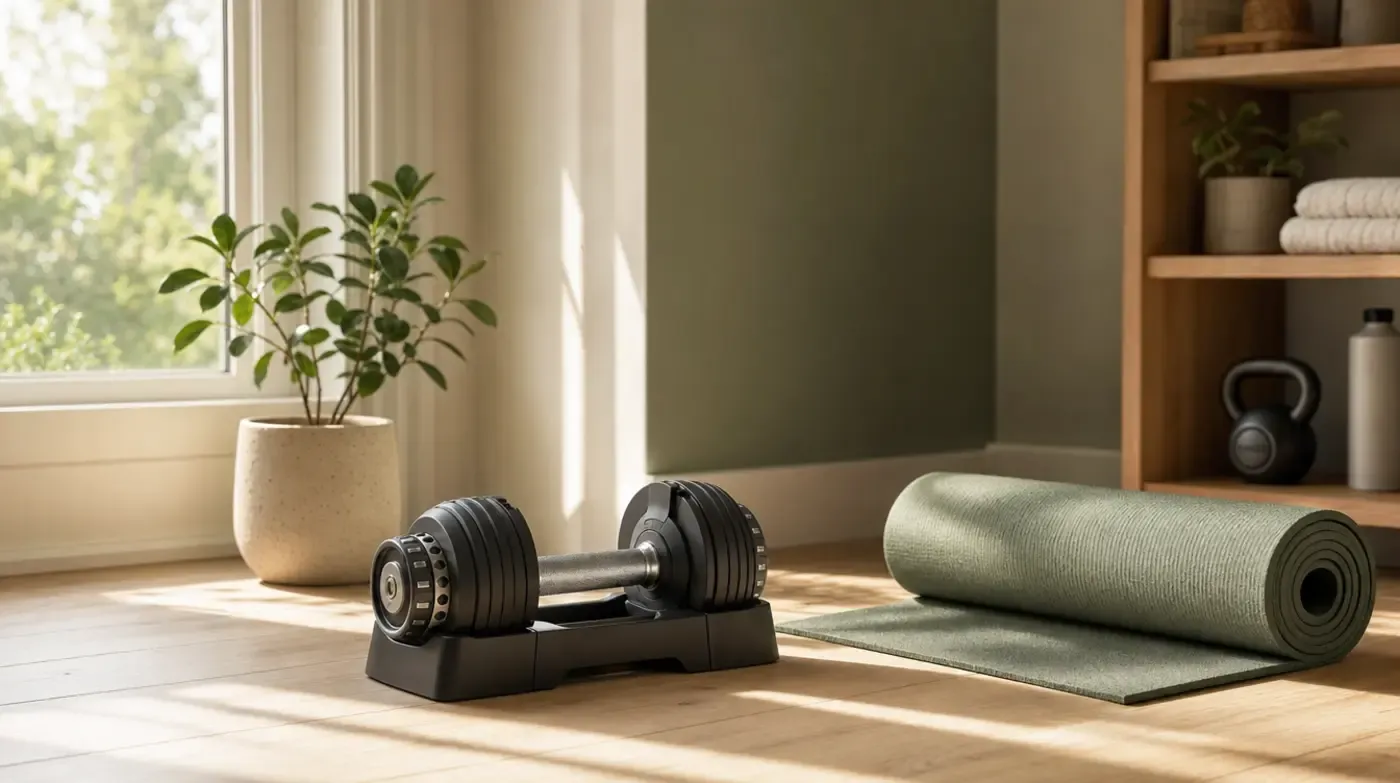
If you’re over 40 and thinking about lifting, here’s the good news up front: your body still responds to strength training, and it responds well. What changes after 40 isn’t whether you can build strength, it’s how you should go about it. Recovery matters more, technique matters more, and patience pays off. Get those right and the first few months can be genuinely surprising.
This guide is the starting point. No fads, no 22-year-old’s program bolted onto a 45-year-old’s schedule, just what actually works.
The quick version
- You can absolutely build strength and muscle after 40, the science is clear on this.
- Train 2-3 days a week, full-body, focused on a handful of big movements.
- Start lighter than your ego wants. Earn the right to add weight.
- Recovery is part of the program, not an afterthought, sleep and protein do a lot of the work.
- Consistency beats intensity. The person who trains twice a week for a year wins.
What actually changes after 40
From your mid-30s onward, most people gradually lose muscle mass and strength if they do nothing about it, a process called sarcopenia. It’s slow, it’s normal, and crucially, it’s largely reversible with resistance training. Lifting weights is one of the few things shown to push back directly against that decline.
Two practical things do shift with age:
- Recovery takes a little longer. Your muscles, tendons and joints need more time between hard sessions than they did at 25. That’s an argument for smart programming, not for avoiding training.
- Connective tissue is less forgiving. Tendons and ligaments adapt more slowly than muscle, so jumping into heavy loads is how people get hurt. Ramp up gradually and they’ll catch up.
None of this is a reason to hold back. The U.S. Physical Activity Guidelines recommend muscle-strengthening activity at least twice a week for all adults, and the benefits, strength, bone density, metabolic health, balance, only get more valuable with age.
The three principles that matter most
1. Progressive overload, applied patiently
Strength comes from gradually asking your muscles to do a little more over time, slightly more weight, an extra rep, another set. That’s progressive overload, and it’s the whole game. After 40, the key word is gradually. Add a small amount, let your body adapt, then add a little more. Slow progress that you can sustain beats fast progress that breaks you.
2. Protein and recovery
Muscle is built when you recover, not while you train. Two levers do most of the work:
- Protein. A meta-analysis of resistance-training studies found higher protein intakes support greater gains; a common evidence-based target is around 1.6 grams of protein per kilogram of bodyweight per day, spread across meals.
- Sleep. Under-sleep and your strength, recovery and appetite control all suffer. It’s the cheapest performance enhancer there is.
We go deeper on this in our guide to recovering faster after workouts over 40.
3. Consistency over intensity
The most effective program is the one you’ll still be doing in six months. Two solid sessions a week, every week, will take you further than an ambitious five-day plan you abandon by March. Build the habit first; chase the numbers later.
A simple 3-day starter plan
Run this as three full-body sessions with a rest day between each (for example Monday / Wednesday / Friday). Pick a weight you can lift with good form, leaving two or three reps “in the tank” on each set. When all sets feel easy, add a little weight.
Each session:
- Squat or sit-to-stand (legs), 3 sets of 8-10
- Push, dumbbell bench press or push-up, 3 sets of 8-10
- Pull, dumbbell row or band row, 3 sets of 10-12
- Hinge, dumbbell Romanian deadlift, 2-3 sets of 8-10
- Carry or core, farmer’s carry or plank, 2-3 sets
Warm up for five minutes first (easy cardio plus a light set of each move). That’s it, five movements, 30-40 minutes, three times a week. Simple is the point.
The equipment you actually need
You don’t need a garage full of machines. For most people over 40, a compact home setup covers everything in the plan above:
- A pair of adjustable dumbbells, the single most useful purchase. See our pick of the best adjustable dumbbells for over 40.
- An adjustable bench, opens up presses, rows and step-ups. Here are the best adjustable weight benches.
- A set of resistance bands, joint-friendly, travel-friendly, and great for rows and warm-ups. Our best resistance bands for strength training roundup has options for every budget.
Start there. You can always add a rack and barbell later if you catch the bug, see our full guide to building a home gym on a budget.
Common mistakes to avoid
- Going too heavy, too soon. The fastest way to a strain is loading up before your tendons are ready.
- Skipping the warm-up. Five minutes now saves weeks on the sidelines.
- Program-hopping. Switching plans every two weeks means you never progress on anything. Pick one and run it.
- Ignoring pain. Muscle soreness is normal; sharp or joint pain is a signal to back off and reassess.
When to check with your doctor first
If you have a heart condition, high blood pressure, a previous injury, or you’ve been inactive for a long time, talk to your physician before starting a new strength program. This guide is general information, not medical advice, a quick conversation with your doctor is always worth it before you begin.
Ready to start? Pick your two or three days this week, run the plan, and check back in with the rest of our home gym and strength content as you build the habit.
Frequently asked questions
Is 40 too old to start lifting weights?
No. Research consistently shows adults in their 40s, 50s, 60s and beyond build strength and muscle with resistance training. You may recover a little slower than you did at 25, but the adaptation still happens, often faster than people expect in the first few months.
How many days a week should I strength train after 40?
Two to three full-body sessions a week is the sweet spot for most people starting out. It's enough to drive progress while leaving room to recover, which matters more as you get older.
Do I need heavy weights to get results?
Not at first. Most beginners over 40 make excellent progress with adjustable dumbbells, a bench and resistance bands. Technique and consistency beat heavy loading in the early months, and lighter starts are kinder to joints and tendons.