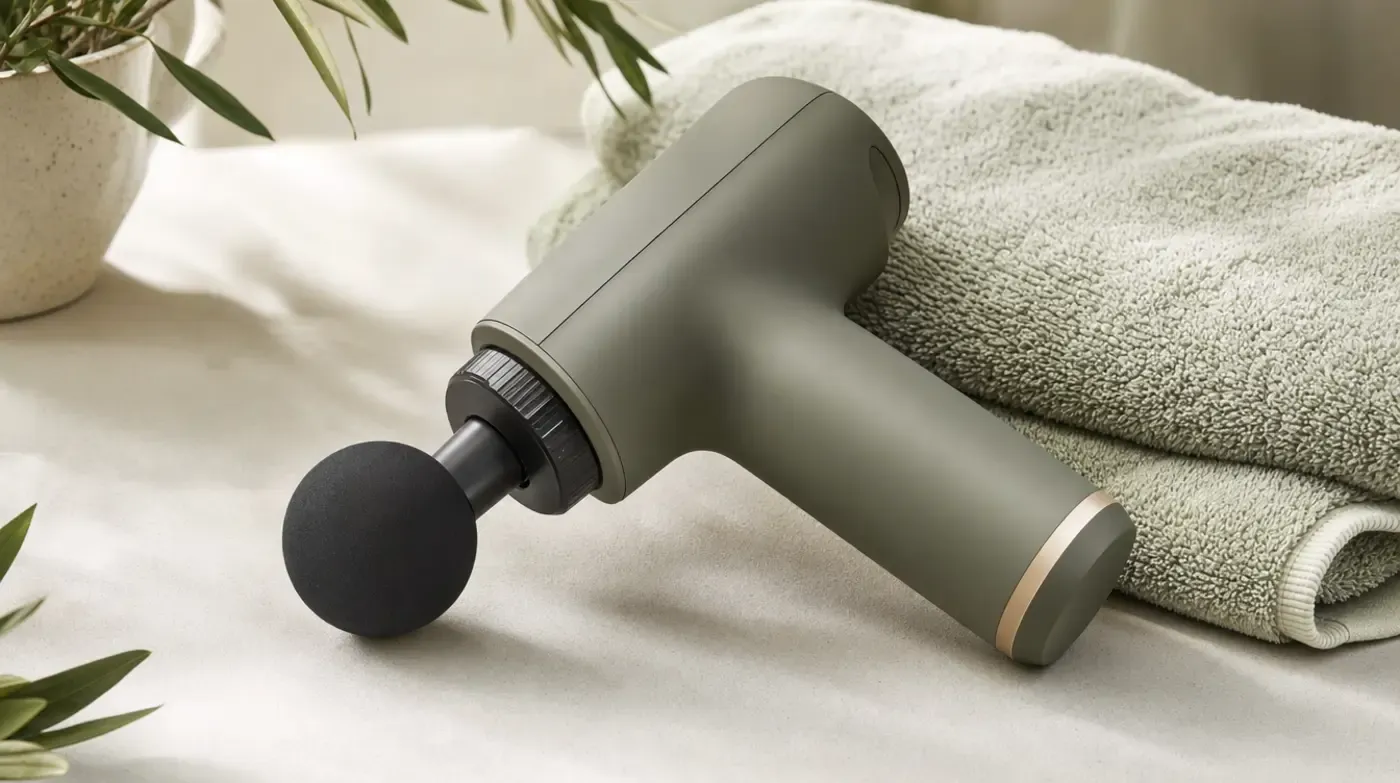
A good massage gun is one of the few recovery gadgets genuinely worth a spot in the
cupboard, it loosens tight muscles, feels great after a hard session, and makes you a
little more likely to keep training. The myth is that you need to spend $300-$400 to get
one that works. You don’t. In 2026 the best sub-$100 guns do roughly 90% of what the
premium models do.
Here are the ones worth buying, chosen with older joints and one-handed self-use in mind
, because the gun that helps is the one that’s quiet enough and comfortable enough that
you actually reach for it.
What matters most after 40
Quiet. A gun that sounds like a power tool gets left in the drawer. Look for ~55 dB.
Comfortable to hold and aim. You’ll be reaching your own back and shoulders, grip
shape and weight matter, especially if your hands aren’t what they were.
Enough power, not too much. You want relief, not a jackhammer. Big “stall force”
numbers mostly matter to heavy, strong users.
Battery life and a few sensible heads. A rounded head and a flat head cover almost
everything; the rest is bonus.
How we chose
We compared current sub-$100 models on noise, power, ergonomics, battery, and build,
weighed against aggregated owner feedback and independent expert reviews. Where we’ve used
a gun ourselves, the review says so and names our editor; otherwise these are
research-based picks that we update as we get hands-on time.
A quick safety note
Massage guns are simple, but use them sensibly: stay on the soft, meaty part of muscles,
keep the head moving, and avoid bones, joints, the spine, the neck, and anything
injured or inflamed. If you have a condition like sciatica or a recent injury, talk to a
physical therapist before using one on the area. This is general information, not medical
advice.
The picks in detail are below. Whichever you choose, a massage gun works best as one part
of a recovery routine, see how it fits alongside sleep, protein, and easy weeks in our
guide to recovering faster after 40, or browse all
our recovery and longevity content.
The picks in detail
Renpho R4 Pro
Top pick
Full-size power · ~$60-70 · Quiet brushless motor · Long battery life
Pros
Does about 90% of what a $300 gun does, at a third of the price
Genuinely quiet, so you'll actually use it
Comfortable grip and sensible speed range
Cons
Full-size, so less pocketable than a mini
Verdict: The best all-rounder under $100, enough power for sore legs and back without the premium price or the racket.
They're genuinely useful for easing muscle tightness and helping you feel looser and readier to move, which keeps you training consistently. The evidence for dramatically faster muscle repair is mixed, so think of a massage gun as a comfort and mobility tool, not a cure.
Where should you NOT use a massage gun?
Avoid bones, joints, the spine and neck (especially the front of the throat), and any area that's injured, bruised, inflamed, or numb. Stick to the meaty part of muscles, keep it moving, and if something hurts, stop. When in doubt, ask a physical therapist or your doctor.
Is a cheap massage gun as good as a Theragun?
For most people, effectively yes, the best sub-$100 models cover around 90% of what premium guns do. You pay extra for more stall force (resistance before it stalls), quieter motors, and nicer build, which mainly matter to heavy daily users and larger, stronger people.